


Top Six Problems That May Need a Check Engine Light Diagnostic
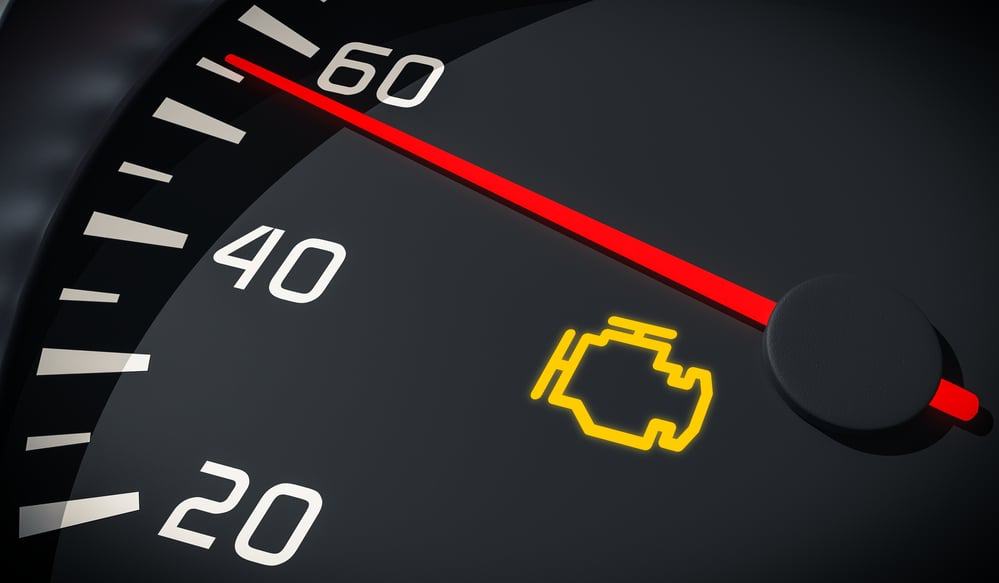
Top Six Problems That May Need a Check Engine Light Diagnostic
Most drivers in Raleigh will encounter a check engine light at some point. Without the proper diagnostic tools, tracking down the problem can be a major pain in the neck. This is the reason why it’s important to take your vehicle to a reputable auto shop. Here are six of the most common problems that will cause a check engine light.
Loose Gas Cap
It’s definitely not uncommon for a diagnostic test to reveal a loose gas cap. Your vehicle’s onboard computer can immediately detect vapor leaks. Although a loose gas cap may seem like a minor issue, this is actually a bigger problem than you think. It can throw your entire fuel system out of whack.
When driving around with a loose gas cap for a long period, you may experience a reduced fuel economy. More emissions will also be released into the atmosphere, which contributes to air pollution. If tightening the gas cap doesn’t work, you’ll ultimately need to buy a new one. Luckily, gas caps are inexpensive.
Bad Oxygen Sensors
Most vehicles are designed with two oxygen sensors. These sensors are designed to monitor how much fuel is being burned. A malfunctioning oxygen sensor won’t be able to provide the right data to the computer. To find out which one of your oxygen sensors has failed, you’ll need to get a diagnostic test.
Your vehicle’s downstream oxygen sensor, which is located behind the catalytic converter, usually doesn’t cause any noticeable performance issues. On the other hand, a faulty upstream oxygen sensor will cause your vehicle to run poorly. While cleaning the sensor may prove to be a temporary solution, a replacement will likely be needed in the near future.
Faulty Catalytic Converter
A faulty catalytic converter will eventually trigger your vehicle’s check engine light. This component is designed to reduce the number of toxic fumes emitting from your exhaust. Its main purpose is to help protect the planet. Because the cost to replace a catalytic converter can exceed $1,000, it’s important to protect it from damage.
Catalytic converters rarely go bad due to old age. Poor vehicle maintenance is the biggest cause of failure. Once an oil leak starts to drip down into the exhaust manifold, it’s only a matter of time before the catalytic converter starts to suffer damage. A bad oxygen sensor can also cause unburned fuel to get into the converter.
Old Spark Plugs and Wires
Most modern spark plugs are rated to last between 60,000-100,000 miles. As you start to rack up the miles, the electrodes on your spark plug gradually start to wear down. They eventually won’t be able to fire properly, which leads to a check engine light. If your vehicle has started to idle poorly and hesitate when stepping on the gas, it’s time to get a diagnostic test. There’s a good chance you’ll need a tune-up.
Remember, the ignition wires need to be replaced at the same time. Neglecting to replace these wires will only lead to the same problems happening again. After getting a tune-up, expect to notice a dramatic difference in your car’s performance.
Dirty Mass Airflow Sensor
Like spark plugs, a mass airflow sensor has a direct impact on engine performance. It’s responsible for measuring the amount of air flowing to the engine. When a mass airflow sensor goes bad, the engine’s air-fuel ratio will be upset. Gas mileage can drop by as much as 25 percent. Thanks for reading our Check Engine Light Diagnostic article.
If a vehicle diagnostic test uncovers a faulty mass airflow sensor, don’t immediately fear the worst. It could simply be contaminated with dust. Replacing the engine air filter every 12,000 miles or so will go a long way towards protecting this sensor.
Contact us today to schedule your next auto repair or maintenance at Triangle Car Care.


