


Expert Service & Maintenance for Lexus’s Luxury Sedan
The Lexus ES 350 is one of the most recognized luxury sedans in the U.S., known for its blend of comfort, reliability, and refinement. First introduced in 1989 alongside the flagship LS, the ES quickly became a favorite among drivers who wanted a quiet, smooth, and dependable ride without sacrificing upscale features. Over the years, the ES has evolved from the early V6-powered ES 250 to today’s advanced ES 350 and ES 300h hybrid, offering cutting-edge safety systems and hybrid efficiency.
At Triangle Car Care in Raleigh, NC, we specialize in keeping Lexus ES models running like new. Our ASE-certified technicians have decades of experience diagnosing and repairing both conventional and hybrid Lexus vehicles. Whether you drive a classic ES 300, an ES 350, or the modern ES 300h, we deliver the dealership-level expertise you expect—without the dealership price tag.
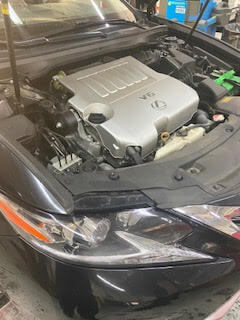
Why Raleigh Lexus ES Owners Choose Triangle Car Care
- Generational Expertise – We’ve serviced every ES generation, from the 1990s ES 300 to today’s ES 350 and ES 300h.
- Hybrid & Gas Service – We handle both traditional engines and advanced hybrid systems, including high-voltage battery testing.
- OEM & Premium Parts – We use genuine Lexus or premium-grade parts to ensure lasting performance.
- Local, Family-Owned Care – Triangle Car Care has been serving Raleigh drivers for over 50 years with honest, transparent service.
Common Lexus ES Problems by Generation
1992–2001 Lexus ES 300 (XV10/XV20)
- Engine Oil Sludge – Early V6 engines, particularly the 1MZ-FE, are prone to sludge buildup if oil changes were skipped or cheap oil was used. In hot climates or with stop-and-go driving, the issue worsens.
Fix: Regular oil service with synthetic oil and engine flushes. - Strut Mount Wear – Leads to suspension noise and a rough, unsettled ride, especially noticeable on older high-mileage ES models. Front-end clunks when going over bumps are common.
Fix: Replace strut mounts and shocks. - Power Window Regulator Failure – Windows may slow down, get stuck, or drop unevenly, often caused by worn-out regulator cables.
Fix: Replace window regulator assembly. - Additional Issues – Owners also report failing oxygen sensors leading to check engine lights, along with starter motor problems as these models age.
2002–2006 Lexus ES 330 (XV30)
- Transmission Hesitation – Delayed gear shifts or hesitation under load were widely reported, especially in early production years. This issue can cause frustrating driving experiences.
Fix: Software updates or transmission repair if severe. - Melting Dashboard/Interior – Common in sunbelt states like NC, the dash and door panels can become sticky and cracked under heat exposure.
Fix: Replacement under extended Lexus warranty or aftermarket restoration. - Front Suspension Noise – Worn control arm bushings cause clunks, vibrations, and alignment issues, especially on vehicles with high mileage.
Fix: Replace control arms/bushings. - Additional Issues – Some ES 330s developed leaking valve cover gaskets and failing motor mounts, both leading to oil odors and excess engine vibration.
2007–2012 Lexus ES 350 (XV40)
- Oil Leaks from VVT-i Line – A frequent repair on early models due to the rubber portion of the oil line deteriorating over time. Leaks can cause engine damage if ignored.
Fix: Replace line with updated part. - Water Pump Failures – Can lead to overheating and coolant leaks, often occurring between 60k–90k miles.
Fix: Replace pump and flush cooling system. - Dashboard/Interior Cracking – Heat-related wear continues in this generation, with dashboards and panels becoming sticky or splitting.
Fix: Replace or restore interior trim pieces. - Additional Issues – Frequent complaints include ignition coil failures (causing misfires) and premature wear of alternators in higher-mileage cars.
2013–2018 Lexus ES 350 / ES 300h (XV60)
- Premature Brake Wear – Faster wear than expected, especially for front pads and rotors. Hybrid braking systems on ES 300h models can also feel inconsistent.
Fix: Install high-quality pads and rotors. - Infotainment Issues – Freezing, lagging, or Bluetooth disconnections are common, particularly in models with the Remote Touch interface.
Fix: Software update or unit replacement. - Hybrid Battery Aging (ES 300h) – Reduced efficiency over time, leading to lower fuel economy and hybrid system warnings.
Fix: Battery testing and replacement if needed. - Additional Issues – Owners report occasional sunroof rattles, failing power seat motors, and hesitation from the CVT in hybrid models.
2019–Present Lexus ES 350 / ES 300h (XV70)
- Fuel Pump Recall – A widely publicized recall involving faulty fuel pumps that could lead to stalling.
Fix: Replace under recall or with updated components. - Safety Sensor Misalignment – Lane assist and forward collision cameras can become misaligned after potholes, minor fender benders, or windshield replacement.
Fix: Recalibration of radar/camera systems. - Infotainment Lag – Slow system response, particularly in early models before the introduction of touchscreens in 2021.
Fix: Software update or head unit replacement. - Additional Issues – Some ES owners note rattles from the panoramic roof and premature wear of 12-volt auxiliary batteries in hybrid versions.
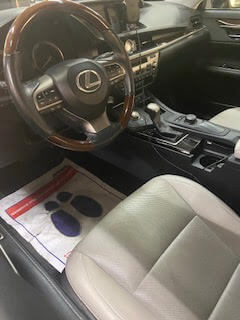
Services We Offer for Lexus ES Owners
Engine & Drivetrain
- Oil leaks, valve cover gasket, and VVT repairs
- Spark plug and ignition coil replacement
- Check engine light diagnostics
- Hybrid system diagnostics and battery care
❄️ Heating & Cooling
- A/C inspections, recharge, and compressor repair
- Radiator, thermostat, and water pump replacement
- Cabin air filter changes
Suspension & Braking
- Brake pad/rotor replacement and brake fluid flush
- ABS diagnostics and repair
- Strut, shock, and suspension component replacement
- Wheel alignment services
⚡ Electrical & Interior
- Hybrid battery testing & service
- TPMS sensor replacement
- Infotainment system troubleshooting
- Window and lock repairs
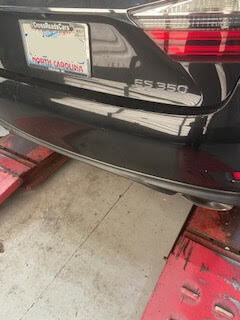
Recommended Maintenance for Lexus ES
| Service | Interval | Benefit |
| Oil & Filter Change | 5,000–7,500 mi | Extends engine life |
| Brake Fluid Flush | Every 2 years | Maintains braking safety |
| Coolant Flush | 3 years / 60k mi | Prevents overheating |
| Spark Plug Replacement | 60k–100k mi | Ensures smooth performance |
| Hybrid Battery Inspection | Every 15k mi | Detects early battery issues |
| Timing Belt (older V6) | 90k mi | Prevents engine damage |
Signs Your Lexus ES Needs Service
- Warning Lights – Check engine or hybrid alerts should be addressed immediately.
- Transmission Hesitation – Jerky acceleration or delayed shifting.
- Excessive Oil Use – Common on older ES engines.
- Brake Issues – Squealing, grinding, or spongy pedal feel.
- Suspension Noise – Clunks and rattles over bumps.
- Infotainment Glitches – Freezing, lag, or Bluetooth problems.
- Uneven Tire Wear – Suggests alignment or suspension trouble.
Customer Feedback
“Triangle Car Care keeps my Lexus ES running like new. Honest and fair pricing.” – Rachel M., Raleigh
“Had my ES 300h hybrid battery checked here—saved me thousands compared to the dealer.” – Tom W., Cary
Book Your Lexus ES Repair in Raleigh, NC
If your Lexus ES is showing signs of trouble—or if you just want expert maintenance from a trusted local shop—Triangle Car Care is here for you.
Triangle Car Care – Raleigh, NC
Call: (919) 787-0966
Schedule Online Today
Frequently Asked Questions – Lexus ES
Q: Is the Lexus ES expensive to maintain?
A: No—the ES is among the most affordable luxury sedans to own, especially compared to BMW or Mercedes.
Q: Do you service hybrid ES models?
A: Yes—we provide hybrid battery inspections, inverter diagnostics, and A/C servicing.
Q: How long do Lexus ES sedans last?
A: With regular maintenance, many exceed 250,000 miles.
Q: Do you use OEM Lexus parts?
A: Yes—we use genuine Lexus or premium-grade equivalent parts.
Q: Can you repair Lexus ES infotainment systems?
A: Yes, we handle software updates, replacements, and wiring repairs.
Q: How often should I change the oil in my Lexus ES?
A: For non-hybrid models, every 5,000–7,500 miles is ideal. For ES hybrids, we recommend every 5,000 miles due to added system demands.
Q: What are the most common Lexus ES issues?
A: Depending on the generation, oil leaks, dashboard melting, premature brake wear, and infotainment lag are some of the more frequent complaints.
Q: Do Lexus ES models require premium fuel?
A: Most ES models are tuned for regular unleaded fuel, unlike other Lexus performance sedans. However, always check your owner’s manual.
Q: How often should I service the brakes on my ES?
A: We recommend brake inspections every 10,000 miles. Hybrids may need service sooner due to regenerative system quirks.
Q: Can you handle Lexus ES recall repairs?
A: While recalls must be performed at a Lexus dealer, we diagnose related problems, provide documentation, and handle non-recall repairs quickly.
Q: Do you work on older ES models like the ES 300 and ES 330?
A: Absolutely—we service all ES generations, from early 1990s models to the latest ES 300h hybrids.
Q: What’s included in a 100k-mile service for a Lexus ES?
A: Major services typically include timing belt (if equipped), water pump, spark plugs, coolant flush, transmission fluid service, and suspension inspection.


